

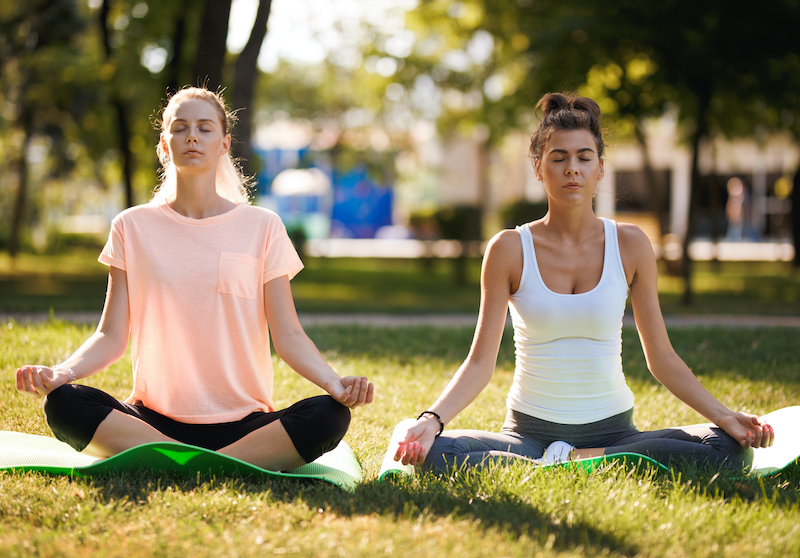
Yoga is an ancient discipline that blends physical movement, mindful breathing, and mental focus into a single, transformative practice. Rooted in tradition yet highly adaptable to modern life, yoga supports overall well-being by helping individuals reconnect with their bodies and calm their minds. Today, it is practiced worldwide by people of all ages and fitness levels.
The Origins and Philosophy of Yoga
Yoga originated thousands of years ago as a holistic system for living. Rather than being just a form of exercise, it is a way of life that emphasizes harmony between the body, mind, and environment.
At its core, yoga focuses on:
-
Self-awareness and mindfulness
-
Balance between effort and ease
-
Intentional living through conscious choices
This philosophical foundation is what makes yoga more than a workout—it becomes a lifelong companion for personal growth.
Core Elements of Yoga Practice
Yoga integrates multiple components that work together to create a complete experience.
Physical Postures (Asanas)
Asanas are designed to improve:
-
Flexibility and mobility
-
Muscle strength and endurance
-
Postural alignment and balance
Each posture encourages controlled movement paired with steady breathing.
Breathing Techniques (Pranayama)
Breath control plays a central role in yoga. Conscious breathing helps:
-
Regulate the nervous system
-
Increase lung capacity
-
Improve focus and emotional stability
Simple breathing practices can be as impactful as complex poses.
Meditation and Relaxation
Meditation cultivates mental clarity and inner stillness. Regular practice can:
-
Reduce stress and anxiety
-
Enhance concentration
-
Promote emotional resilience
Even a few minutes of quiet awareness can make a noticeable difference.
Popular Styles of Yoga
Yoga has evolved into many styles, each offering unique benefits.
-
Hatha Yoga – A gentle introduction focusing on basic poses and breathing
-
Vinyasa Yoga – Dynamic, flowing movements linked with breath
-
Ashtanga Yoga – Structured and physically demanding sequences
-
Yin Yoga – Slow-paced poses held for longer periods to target deep tissues
-
Restorative Yoga – Deep relaxation using supportive props
Choosing the right style depends on your goals, energy level, and physical condition.
Health Benefits of Yoga
Consistent yoga practice offers both physical and mental advantages.
Physical Benefits
-
Improved flexibility and joint health
-
Enhanced muscle tone and balance
-
Better circulation and digestion
Mental and Emotional Benefits
-
Lower stress and cortisol levels
-
Improved sleep quality
-
Greater emotional awareness and calm
Over time, these benefits compound, supporting long-term wellness.
Yoga for Modern Lifestyles
In a fast-paced world, yoga serves as a grounding practice. It fits seamlessly into busy schedules because it can be:
-
Practiced at home or in studios
-
Adapted for short or long sessions
-
Modified for beginners or advanced practitioners
Yoga encourages consistency over intensity, making it sustainable for everyday life.
Getting Started with Yoga
Beginning yoga does not require flexibility or prior experience.
Helpful tips for beginners:
-
Start with simple poses and short sessions
-
Focus on breath rather than perfection
-
Use props for comfort and support
-
Listen to your body and progress gradually
A calm mindset and patience are the most important tools.
Frequently Asked Questions (FAQ)
1. How often should yoga be practiced for noticeable benefits?
Practicing yoga 3–5 times a week can bring visible improvements in flexibility, strength, and stress levels.
2. Can yoga replace traditional exercise?
Yoga can complement or, in some cases, replace other workouts, depending on intensity and personal fitness goals.
3. Is yoga suitable for older adults?
Yes, yoga is highly adaptable and can be modified to support mobility, balance, and joint health in older adults.
4. Do I need special equipment to practice yoga?
No special equipment is required. A mat and comfortable clothing are usually sufficient.
5. Can yoga help with mental health?
Yoga supports mental well-being by reducing stress, improving mood, and encouraging mindfulness.
6. Is it normal to feel sore after yoga?
Mild soreness is normal, especially for beginners, and usually fades as the body adapts.
7. How long does it take to see results from yoga?
Some benefits, like relaxation and improved focus, can be felt immediately, while physical changes typically appear within a few weeks.
