Close Menu
360 Complete Living – Discover Baby Formula – Common Mistakes360 Complete Living – Discover Baby Formula – Common Mistakes
  • Family
  • Health Care
  • Home
    • Bathroom
    • Pest Control
  • Kids
  • Lifestyle
  • Living
  • News
  • Parents

Subscribe to Updates

Get the latest creative news from FooBar about art, design and business.

What's Hot

The Lake Forest Roots of Reeve Waud

March 17, 2026

3 Things to Know About Whitecurrants, According to a Leading UK Fruit Grower

March 17, 2026

Reasons Why a Dishwasher is a Must-Have in Indian Kitchens

March 17, 2026
Facebook X (Twitter) Instagram
  • Write To Us
Tuesday, April 21
Trending
  • The Lake Forest Roots of Reeve Waud
  • 3 Things to Know About Whitecurrants, According to a Leading UK Fruit Grower
  • Reasons Why a Dishwasher is a Must-Have in Indian Kitchens
  • Beyond Conversion Therapy: How Conversion Truth for Families Guides Parents Toward Better Options
  • River Oaks Carpet Cleaners: Professional Care for Homes and Businesses
  • How to Build a Dental Care Routine That Actually Works for Your Life
  • How Ordinary People Fill the Gaps in Senior Healthcare
  • How to Evaluate Independent Living Communities
360 Complete Living – Discover Baby Formula – Common Mistakes360 Complete Living – Discover Baby Formula – Common Mistakes
  • Family
  • Health Care
  • Home
    • Bathroom
    • Pest Control
  • Kids
  • Lifestyle
  • Living
  • News
  • Parents
360 Complete Living – Discover Baby Formula – Common Mistakes360 Complete Living – Discover Baby Formula – Common Mistakes
You are at:Home»Parents»How Parents Manage Discipline Without Harming Emotional Growth
Parents

How Parents Manage Discipline Without Harming Emotional Growth

Ambrose LennonBy Ambrose LennonNovember 22, 2025No Comments3 Mins Read

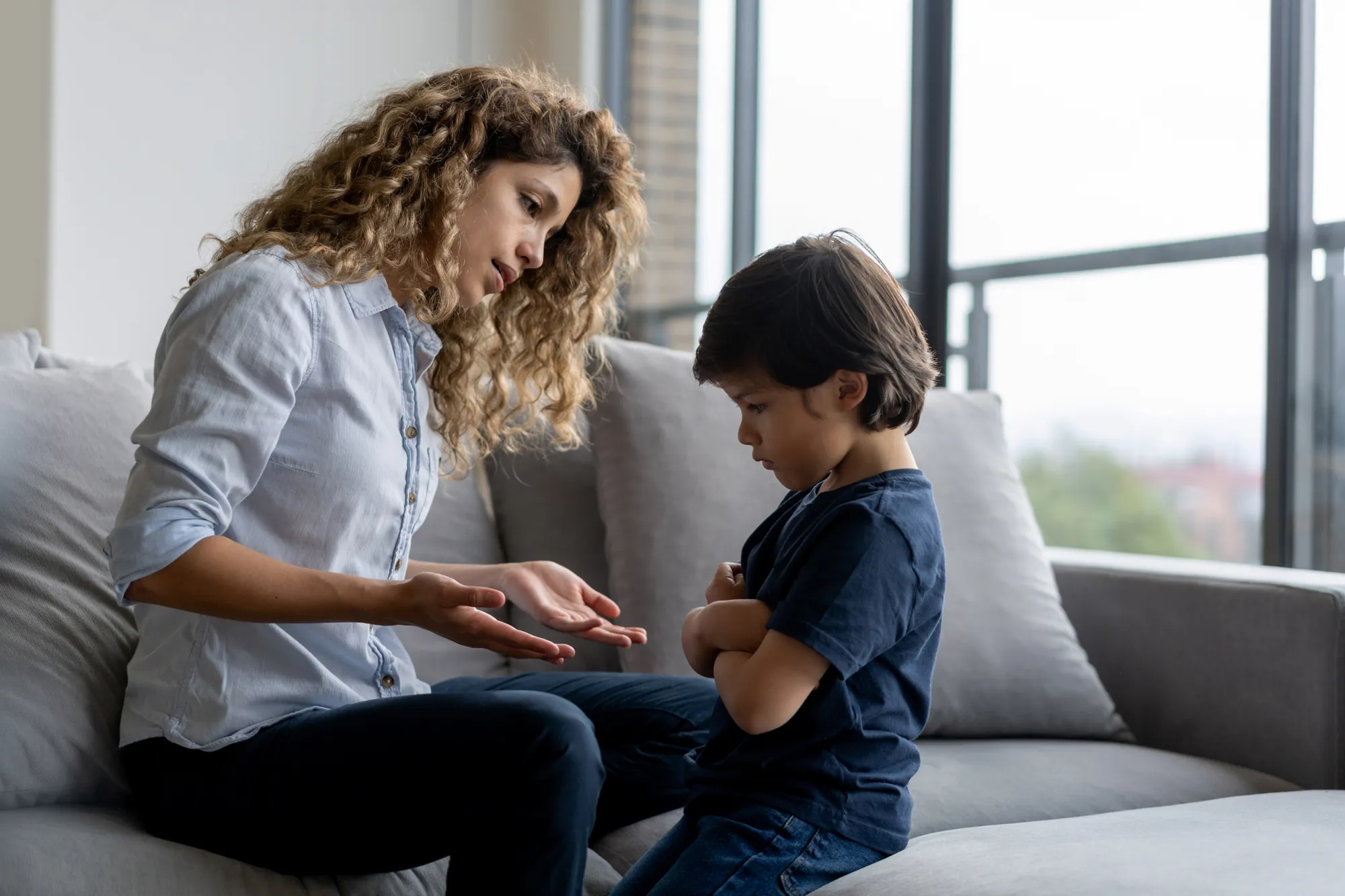
Discipline is an essential part of parenting, but how it is practiced makes a lasting difference in a child’s emotional development. Healthy discipline teaches responsibility, self-control, and respect without creating fear, shame, or emotional distance. When parents approach discipline with understanding and consistency, it becomes a tool for growth rather than punishment.

Understanding the Purpose of Discipline

Discipline is not about control or punishment. Its primary goal is to guide children toward positive behavior while helping them understand consequences.

Effective discipline helps children:

  • Learn right from wrong

  • Develop emotional regulation

  • Build problem-solving skills

  • Feel safe within clear boundaries

When children understand that discipline comes from care, not anger, emotional growth remains protected.

The Connection Between Discipline and Emotional Growth

A child’s emotional health depends heavily on how discipline is delivered. Harsh or inconsistent discipline can lead to anxiety, low self-esteem, or resentment. On the other hand, respectful discipline fosters trust and emotional security.

Emotionally healthy discipline:

  • Addresses behavior, not the child’s character

  • Encourages learning instead of fear

  • Maintains the parent-child bond

Children thrive when they feel corrected, not rejected.

Positive Discipline Strategies Parents Can Use

Positive discipline focuses on teaching rather than punishing. These strategies help correct behavior while nurturing emotional well-being.

Set Clear and Consistent Boundaries

Children feel safer when rules are predictable. Clear expectations reduce confusion and emotional stress.

  • Explain rules in simple language

  • Apply consequences consistently

  • Avoid changing rules based on mood

Consistency builds trust and emotional stability.

Use Calm and Respectful Communication

Tone matters as much as words. Calm communication prevents discipline from becoming emotionally harmful.

  • Speak at eye level

  • Avoid yelling or threats

  • Explain why the behavior is unacceptable

Respectful dialogue helps children reflect instead of shutting down.

Focus on Natural and Logical Consequences

Consequences should relate directly to the behavior, helping children understand cause and effect.

Examples include:

  • Losing screen time after misuse

  • Cleaning up a mess they created

  • Taking a break to calm down after aggressive behavior

These consequences teach accountability without emotional damage.

Encouraging Emotional Awareness During Discipline

Discipline moments are powerful teaching opportunities for emotional intelligence.

Parents can:

  • Name emotions the child is experiencing

  • Validate feelings while correcting behavior

  • Teach healthy ways to express frustration or anger

Acknowledging emotions helps children feel understood, even when corrected.

Avoiding Discipline That Harms Emotional Development

Some discipline methods can unintentionally hurt a child’s emotional growth and self-worth.

Practices to avoid include:

  • Shaming or humiliating language

  • Physical punishment

  • Comparing children to others

  • Ignoring emotional needs during correction

These approaches can damage trust and emotional resilience over time.

Building Long-Term Emotional Strength Through Discipline

When discipline is balanced with empathy and guidance, children develop self-discipline rather than fear-based obedience. Over time, they learn to regulate their behavior independently, supported by strong emotional foundations.

Parents who combine structure with compassion raise children who feel secure, confident, and emotionally capable.

Frequently Asked Questions (FAQs)

1. What is the healthiest way to discipline a child?
Using calm communication, clear boundaries, and logical consequences supports emotional growth.

2. Can discipline be effective without punishment?
Yes, teaching and guidance are often more effective than punishment alone.

3. How do parents discipline without yelling?
By staying calm, addressing behavior promptly, and practicing emotional self-control.

4. Does discipline affect a child’s self-esteem?
Positive discipline builds self-esteem, while harsh discipline can damage it.

5. How can parents discipline emotionally sensitive children?
With extra empathy, validation of feelings, and gentle but firm boundaries.

6. Is consistency more important than strictness in discipline?
Yes, consistency helps children feel secure and understand expectations.

7. How can discipline strengthen the parent-child relationship?
When done respectfully, discipline builds trust, communication, and emotional safety.

Previous ArticleThe Ultimate Guide on How to Design Your Gaming Room
Next Article How Yoga Improves Flexibility, Strength, and Overall Body Balance
Ambrose Lennon
  • Website

Related Posts

Pillars of Grace: Understanding the Enduring Role of Parents in a Shifting World

July 14, 2025

The Silent Architects of Our Lives: Reflecting on the Role of Parents in a Changing World

July 13, 2025

The Quiet Architects of Life: Understanding the Enduring Role of Parents

July 7, 2025
Top Posts

The Lake Forest Roots of Reeve Waud

March 17, 2026

3 Things to Know About Whitecurrants, According to a Leading UK Fruit Grower

March 17, 2026

Reasons Why a Dishwasher is a Must-Have in Indian Kitchens

March 17, 2026

Beyond Conversion Therapy: How Conversion Truth for Families Guides Parents Toward Better Options

February 27, 2026
Recent Posts
  • The Lake Forest Roots of Reeve Waud March 17, 2026
  • 3 Things to Know About Whitecurrants, According to a Leading UK Fruit Grower March 17, 2026
  • Reasons Why a Dishwasher is a Must-Have in Indian Kitchens March 17, 2026
  • Beyond Conversion Therapy: How Conversion Truth for Families Guides Parents Toward Better Options February 27, 2026
  • River Oaks Carpet Cleaners: Professional Care for Homes and Businesses February 18, 2026
  • How to Build a Dental Care Routine That Actually Works for Your Life February 4, 2026
  • How Ordinary People Fill the Gaps in Senior Healthcare January 15, 2026

2026

  • + March (3)
  • + February (3)
  • + January (3)

2025

  • + December (1)
  • + November (8)
  • + October (2)
  • + September (3)
  • + August (2)
  • + July (19)
  • + June (5)
  • + May (2)
  • + April (1)
  • + March (2)
  • + February (1)
  • + January (2)

2024

  • + November (7)
  • + October (1)
  • + September (2)
  • + August (3)
  • + July (1)
  • + June (3)
  • + March (1)
  • + February (2)
  • + January (3)

2023

  • + November (1)
  • + October (3)
  • + September (1)
  • + August (1)
  • + May (2)
  • + March (3)
  • + February (2)
  • + January (3)

2022

  • + November (1)
  • + August (2)
  • + July (2)
  • + May (4)
  • + April (2)
  • + March (1)
  • + February (4)
  • + January (2)

2021

  • + December (3)
  • + August (1)
  • + July (3)
  • + June (1)
  • + May (3)
  • + March (1)

2020

  • + December (7)
  • + November (7)
  • + October (7)
  • + September (7)
  • + August (7)
Categories
  • Bathroom (1)
  • Family (26)
  • Garden (3)
  • Health Care (27)
  • Home (41)
  • Kids (13)
  • Lifestyle (19)
  • Living (11)
  • News (5)
  • Parents (10)
  • Pest Control (2)
  • Yoga (3)
© 2025 - 360completeliving.com - All Rights Reserved.
  • Write To Us

Type above and press Enter to search. Press Esc to cancel.