

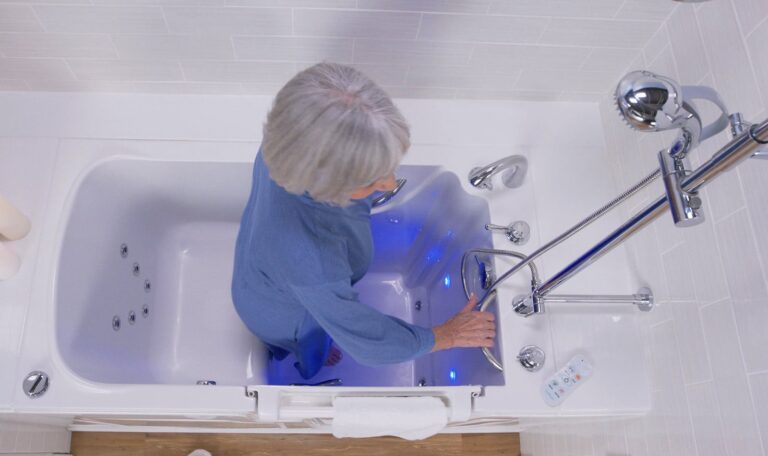
Selecting a bathtub equipped with high-grade grab bars transforms daily bathing into a secure, low-risk experience without sacrificing style or comfort. Wet surfaces make bathrooms the primary location for household slips and falls, particularly during entry and exit over high tub walls. Combining targeted leverage points with slip-resistant basins protects family members of all mobility levels while preserving independence. Finding the right match requires evaluating tub styles, bar positioning, structural backing, and material durability so your installation delivers absolute stability across decades of use. Installing a walk-in tub with grab bars significantly enhances safety and accessibility for seniors looking to maintain independent living.
Bathtub Styles and Accessibility Compatibility
Choosing the ideal tub layout depends heavily on mobility needs and available floor space. Standard alcove tubs fit tightly between three surrounding walls, providing excellent structural points for mounting horizontal and vertical safety bars directly into wall studs. Converting an existing alcove footprint allows you to upgrade safety features while keeping plumbing lines in their original locations, saving significant renovation expenses.
Walk-in tubs represent the highest tier of accessible bathing design, featuring watertight low-step doors, integrated seating, and built-in grab bars along the inner basin rim. These models eliminate the need to lift legs over a high tub wall, reducing strain on joints. Deep soaking tubs and drop-in designs can also accommodate safety hardware, provided the surrounding deck offers sufficient clearance for secure handholds during entry.
Grab Bar Placement and Ergonomic Positioning
Optimal placement ensures that support bars rest exactly where your body naturally reaches for balance. A standard safety setup requires at least two distinct support zones: one placed near the entrance for stepping in and out, and a second long horizontal or diagonal bar mounted along the back wall for leverage while lowering or standing up. Vertical entry bars mounted near the outer edge offer stable leverage when balance shifts suddenly.
Height calibration determines how effectively a safety bar functions. Backwall horizontal bars perform best when anchored 33 to 36 inches above the floor, matching standard hip level for most adults. Diagonal bars positioned at a 45-degree angle offer a versatile compromise, allowing bathers of varying heights to grip the rail comfortably at whichever point feels most natural.
Wall Anchoring and Structural Reinforcement
A safety bar is only as dependable as the wall support behind it. Attaching hardware directly into sheetrock or hollow tile walls invites catastrophic failure when sudden body weight pulls against the fixture. Professional installation demands anchoring stainless steel mounting screws directly into solid wood studs or installing 2×6 horizontal wood blocking behind the wall surface prior to closing up drywall.
If opening walls during installation is impossible, utilizing hollow-wall anchors specifically engineered for grab bars provides a dependable alternative. These specialized heavy-duty toggles expand behind ceramic tile or cement board, distributing pull weight across a broad surface area to meet safety standard requirements. Waterproof silicone sealant applied around every mounting flange prevents hidden moisture leaks from rotting the wooden framing behind your tile.
Material Durability and Aesthetics
Safety features no longer require an industrial, institutional appearance. Modern grab bars come in a wide range of designer finishes, including brushed nickel, matte black, oil-rubbed bronze and polished chrome, allowing them to match your existing faucets and showerheads seamlessly. Choosing corrosion-resistant materials like 304 stainless steel or solid brass prevents rust from developing in high-moisture environments.
Tub material selection impacts long-term maintenance and comfort. Acrylic tubs retain heat effectively, offer smooth easy-to-clean surfaces, and resist chipping under heavy use. Fiberglass options provide budget-friendly entry points but wear down faster under daily cleaning. Enamel-coated cast iron delivers unmatched durability and rigidity, providing a rock-solid foundation that eliminates flexing underfoot.
Conclusion
Upgrading your bathroom with a tub designed around accessible grab bars creates a stylish, secure sanctuary that protects users across every stage of life. Selecting the appropriate tub configuration, optimizing bar heights, and ensuring rock-solid structural backing guarantees dependable balance assistance whenever you bathe. Combining slip-resistant surfaces with durable stainless steel hardware transforms everyday routines into safe, relaxing experiences. Investing in thoughtful bathroom safety design preserves independence, prevents accidents, and adds lasting functional value to your home.
