

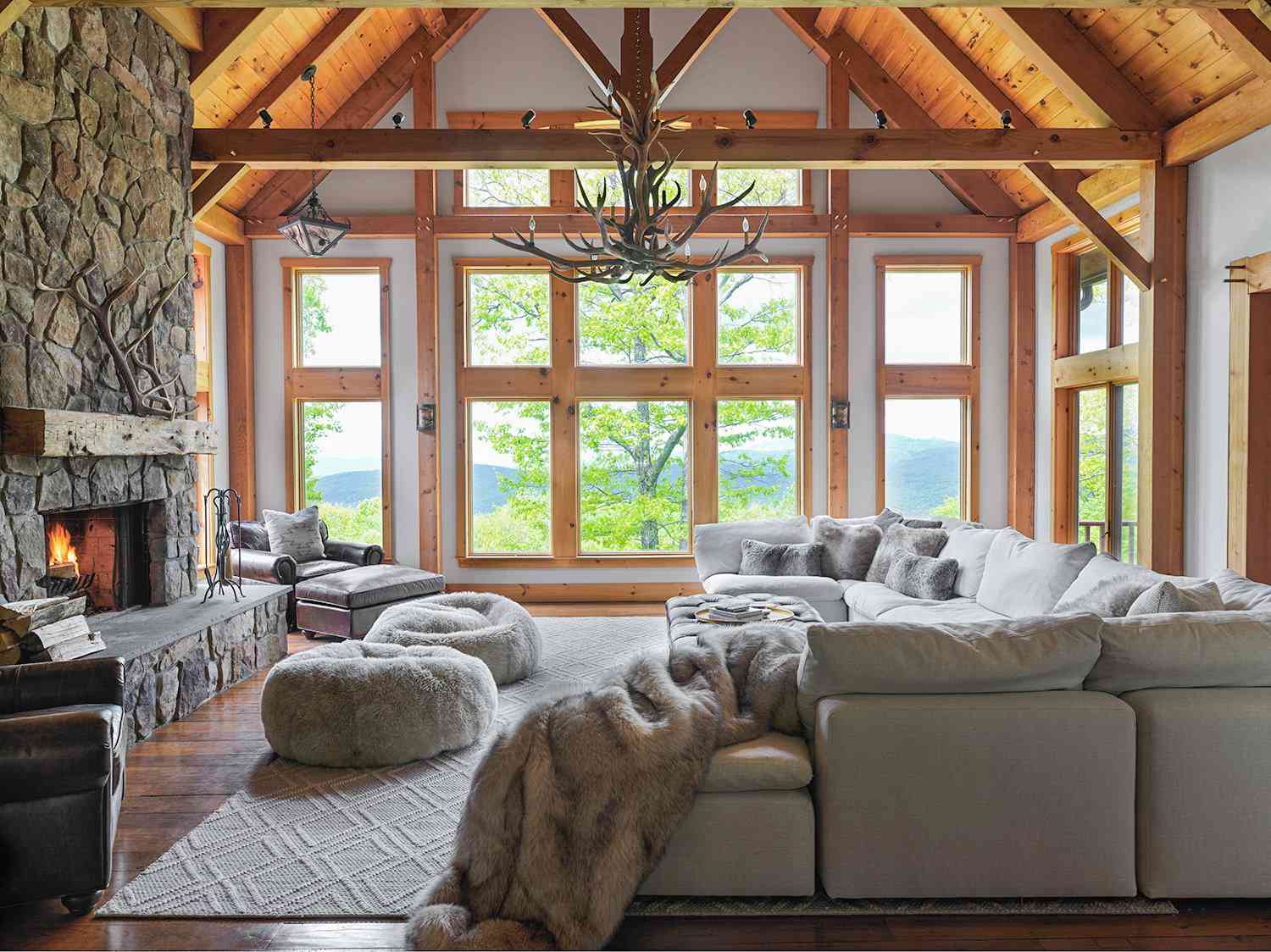
Winter brings a natural shift in human rhythm. As temperatures drop and daylight hours shrink, the world outside becomes cold and demanding. In response, human instinct drives us inward, seeking shelter, warmth, and comfort. The Danish have spent centuries perfecting a cultural response to long, dark winters: the concept of hygge.
Pronounced hoo-ga, hygge does not translate into a single English word. It represents a state of cozy warmth, presence, safety, and contentment found in life’s simple pleasures. Hygge is not merely an interior design trend or a temporary aesthetic; it is an intentional philosophy centered on turning ordinary moments into soothing sanctuaries. By applying the principles of hygge to your home, you can transform your living space into a restorative haven that makes the winter months something to cherish rather than endure.
Understanding the Philosophy of Hygge
To bring hygge into your home, it helps to understand its core mental framework. Hygge is rooted in feelings of sanctuary, security, and connection. In traditional Scandinavian culture, severe winters required homes to be more than just physical shelter; they needed to nurture the human spirit.
-
Atmosphere over Perfection: A hygge home is not a sterile showroom. It prioritizes comfort, touchable textures, and lived-in warmth over flawless presentation.
-
Presence and Mindful Awareness: Hygge encourages slowing down. It is about savoring a warm mug of tea, listening to rainfall against the glass, and putting aside daily stressors.
-
Sensory Engagement: True hygge engages all five senses. Soft fabrics, warm lighting, gentle aromas, comforting tastes, and quiet surroundings work together to relax the nervous system.
-
Sustained Togetherness and Solitude: Hygge shines equally in quiet moments of solitary reflection and in intimate gatherings with loved ones around a shared table.
Master the Art of Warm Lighting
Lighting is arguably the most essential element of a hygge atmosphere. Harsh overhead lighting disrupts the body’s natural circadian rhythms and creates a cold, clinical atmosphere. Scandinavian homes compensate for dark winter days by creating layered pools of soft, warm light.
Embrace the Glow of Candles
Candles are the undisputed heart of hygge. The flicker of a living flame instantly softens a room, draws people together, and encourages quiet conversation. Place real or realistic LED candles on dining tables, windowsills, bookshelves, and coffee tables. Opt for unscented beeswax or soy candles during meals so competing fragrances do not interfere with food aromas.
Layer Ambient and Accent Lighting
Relying on a single bright ceiling light strips a room of depth and warmth. Instead, turn off the central fixture and activate multiple small light sources placed at varying eye levels throughout the room:
-
Low-Wattage Warm Bulbs: Use light bulbs rated between 2200K and 2700K on the Kelvin color temperature scale to emit a golden, soft glow.
-
Floor and Table Lamps: Position lamps in corners or beside seating areas to eliminate deep shadows without illuminating the entire space harshly.
-
String Lights and Lanterns: Drape subtle warm string lights over a mantle, inside glass cabinets, or along wooden beams to introduce playful charm.
Incorporate Rich Tactile Textures
When the weather outside is crisp and biting, the interior of your home should feel inviting to the touch. Layering different natural textiles adds physical warmth while creating visual richness.
Drapes and Throw Blankets
Swap out lightweight summer linens for heavier winter fabrics. Drape soft knitted wool blankets, faux fur throws, and fleece blankets over the arms of sofas and armchairs. Having blankets within arm’s reach invites family members and guests to curl up and relax without hesitation.
Plush Pillows and Floor Coverings
Expand your seating comfort by adding plush throw pillows wrapped in tactile fabrics such as velvet, boucle, corduroy, and chunky knits. Cold hardwood or tile floors can drain warmth from a room instantly. Cover high-traffic floor areas with thick wool rugs or sheepskin hides to cushion steps and insulate against floor drafts.
Design a Hyggekrok or Cozy Nook
Every hygge-inspired home benefits from at least one dedicated cozy corner, known in Danish as a hyggekrok. This is a designated spot designed specifically for unwinding, reading a book, sipping a hot beverage, or gazing out the window.
Steps to Build Your Own Cozy Nook
Creating a hyggekrok does not require a major renovation or a large floor plan. You can easily carve out a cozy retreat using an underutilized corner of a room:
-
Select the Location: Choose a quiet corner, a deep window seat, or a quiet space near a fireplace.
-
Anchor with Comfortable Seating: Place a deep armchair, a plush floor cushion, or a padded bench in your chosen spot.
-
Provide Proper Support: Add a supportive back pillow and a soft throw blanket dedicated solely to that space.
-
Add a Surface and Soft Light: Position a small side table nearby to hold a mug or journal, and place a soft reading lamp directly overhead or to the side.
Bring the Beauty of Nature Indoors
In the depths of winter, connecting with nature can be challenging. Bringing natural elements into your living space grounds your decor and reminds you of the quiet beauty of the season.
Collect fallen pinecones, smooth river stones, birch branches, and evergreen boughs during outdoor walks. Arrange them in simple ceramic vases, wooden bowls, or across the fireplace mantle. Natural wood accents, whether raw wooden side tables, woven rattan baskets, or exposed wooden beams, inject organic warmth that synthetic materials simply cannot replicate.
Nourish the Senses with Warm Aromas and Flavors
A true hygge home engages smell and taste as much as sight and touch. The aromas wafting from the kitchen contribute significantly to a sense of comfort and shelter.
Comforting Winter Fragrances
Avoid harsh chemical room sprays. Instead, generate authentic, soothing scents using natural methods:
-
Simmer Pots: Simmer a pot of water on the stove with sliced orange peels, cinnamon sticks, whole cloves, and a sprig of rosemary.
-
Essential Oil Diffusers: Diffuse grounding woodsy or warm spiced essential oils such as cedarwood, frankincense, sweet orange, and vanilla.
-
Fresh Baking: The scent of slow-roasting root vegetables, simmering soups, or freshly baked cinnamon rolls naturally fills the home with welcoming warmth.
Nourishing Warm Beverages
Keep a winter beverage station ready in the kitchen. Stock raw cocoa powder, spiced chai tea bags, roasted coffee beans, and local honey. Serving warm drinks in heavy stoneware or ceramic mugs gives your hands something warm to hold, creating a physical sensation of comfort.
Summary of Hygge Home Essentials
| Home Area | Cold Winter Problem | Hygge Design Solution |
| Lighting | Harsh overhead brightness or dark rooms | Layered candles, floor lamps, and 2700K warm light bulbs |
| Seating | Firm, drafty, or unwelcoming furniture | Layered wool throws, plush velvet pillows, and sheepskin rugs |
| Flooring | Chilly hardwood or tile surfaces | Thick area rugs, runner mats, and thermal underlays |
| Atmosphere | Stale air or clinical environment | Simmer pots, wood accents, and natural evergreen greenery |
| Routine | Rushed daily pacing and digital distraction | Designated reading nooks, warm beverages, and board games |
Frequently Asked Questions
Can you create a hygge home on a tight budget?
Yes, hygge is focused on atmosphere, emotional warmth, and simple comfort rather than expensive furnishings. You can practice hygge without spending money by rearranging existing furniture to face warm focal points, dimming main lights in favor of lamps you already own, baking with basic pantry ingredients, and gathering fallen pinecones or branches from outdoors for natural decor.
How do you balance hygge coziness with keeping a clutter-free home?
Hygge is about intentional comfort, not accumulating excessive knick-knacks. True hygge encourages a clean, peaceful environment where every item serves a purpose or brings joy. Store excess items in woven baskets or closed cabinets, and limit decor to functional soft textiles, warm lighting, and meaningful natural touches so the space feels cozy rather than overwhelming or cluttered.
Is hygge suitable for warmer climates that do not experience cold winters?
While hygge originated in cold Nordic climates, its underlying principles translate easily to warmer regions. In warmer weather, hygge focuses on cool cotton or linen fabrics, light breezy spaces, gentle evening outdoor lighting, chilled homemade fruit infusions, and quiet gatherings under the stars. The core concept remains creating presence, comfort, and meaningful connection regardless of the outside temperature.
What color palettes work best for a Scandinavian hygge home?
Hygge interiors typically rely on warm neutral color schemes that maximize light reflection while maintaining a grounded feel. Excellent base colors include creamy whites, soft warm grays, warm beige, and muted taupe. You can accent these neutral bases with deep earth tones inspired by nature, such as sage green, burnt terracotta, slate blue, and warm ochre.
How can families with small children practice hygge safely?
Families with young children can adopt hygge by swapping out open-flame wax candles for flame-less battery-operated LED candles that produce the same warm flickering effect. Focus on kid-friendly hygge activities such as building pillow forts, reading bedtime stories under warm fairy lights, hosting device-free family board game nights, and baking together in the kitchen.
How does hygge differ from minimalist interior design?
While both hygge and minimalism value simplicity and avoiding unnecessary excess, minimalism emphasizes clean lines, spare surfaces, and stark functional beauty. Hygge, by contrast, prioritizes emotional comfort, warmth, and tactile indulgence. Minimalism might leave a sofa bare to showcase its form, whereas a hygge approach welcomes soft blankets, plush cushions, and lived-in textures that invite people to relax.
How can renters make an apartment feel hygge without making permanent changes?
Renters can cultivate hygge easily through non-permanent additions. Swap out cool-toned light bulbs for warm 2200K-2700K bulbs, plug in warm string lights, hang heavy thermal curtains using temporary tension rods, and lay down large plush area rugs to cover cold floor surfaces. Adding plug-in dimmers, tabletop lamps, and soft textiles converts rental spaces instantly without altering walls or fixtures.
