

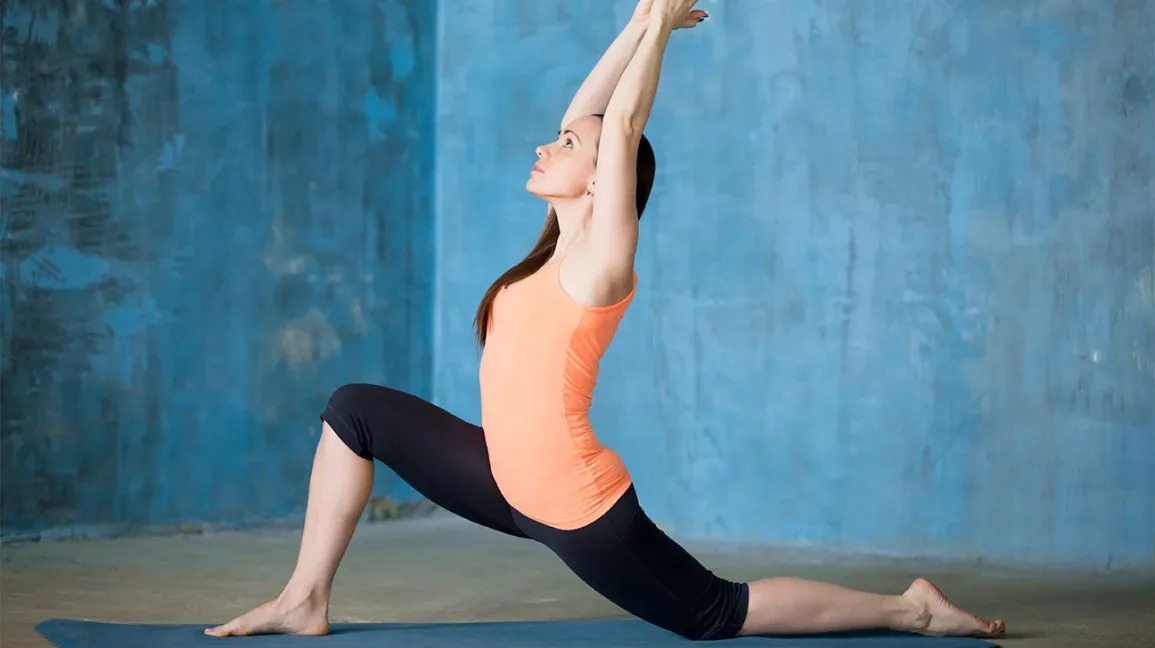
Modern daily routines place unprecedented demands on the human body. Extended hours spent seated at desks, behind the wheel, or relaxing on soft furniture force the hips into constant flexion while flattening the natural curves of the spine. Over time, these static positions cause the hip flexors, glutes, and lower back muscles to shorten and stiffen. The result is a common pattern of chronic tightness, restricted range of motion, and recurring lower back discomfort that affects people of all fitness levels.
Restoring movement and ease to these high-tension areas does not require grueling, aggressive workouts or extreme flexibility. A consistent practice of gentle yoga stretches offers a safe, grounded, and sustainable approach to releasing deep-seated muscular tension. By combining targeted posture alignment with intentional breathwork, you can lengthen contracted tissues, improve joint mobility, and relieve pressure on your lower spine without risking strain or injury.
The Connection Between Tight Hips and Back Pain
To address lower body stiffness effectively, it helps to understand how the hips and lower back work together. The hip joint is a deep ball-and-socket structure surrounded by powerful muscle groups, including the iliopsoas, gluteal muscles, piriformis, and hamstrings. These muscles anchor directly into the pelvis and lower vertebrae, creating a mechanical bridge between the upper and lower body.
When hip flexors remain in a shortened state due to prolonged sitting, they pull the pelvis forward into an anterior pelvic tilt. This forward tilt increases the arch in the lower back, placing excessive pressure on the lumbar spine and surrounding spinal erectors. Conversely, tight hamstrings and glutes can pull the pelvis backward, flattening the lower back curve and causing surrounding muscles to overwork just to keep you upright.
By systematically opening the hips through multi-directional movements, you relieve the constant mechanical pull on the lumbar region. Yoga addresses these interconnected muscular chains simultaneously, balancing tension across the entire kinetic chain so the pelvis can settle back into a healthy, neutral alignment.
Essential Principles for Safe Stretching
Before diving into specific postures, keeping a few foundational safety rules in mind ensures your practice remains therapeutic rather than aggravating to tight tissues.
-
Prioritize Breath over Depth: Never force a pose to achieve a specific visual shape. Slow, steady nasal breathing signals to your nervous system that the body is safe, allowing tight muscles to relax naturally.
-
Warm Up First: Cold muscles are less pliable and more prone to micro-tears. Practice gentle movement, such as walking or warm cat-cow stretches, before holding static poses.
-
Respect Pain vs. Sensation: Aim for a mild to moderate sensation of opening, often described as a pleasant stretch. Sharp, shooting, or pinching feelings mean you should ease out of the pose immediately.
-
Use Props Generously: Yoga blocks, folded blankets, and straps are not crutches; they are alignment tools that bring the floor closer to you, preventing compensatory strains in neighboring joints.
Gentle Poses to Unwind Tight Hips and Lower Backs
The following series of gentler postures targets the primary areas responsible for lower body stiffness. Practice this sequence slowly, moving into each pose with awareness and holding positions for several deep breath cycles.
Cat-Cow Pose (Marjaryasana-Bitilasana)
This gentle dynamic flow warms up the spine, improves fluid circulation along the vertebrae, and begins mobilizing the hips through gentle pelvic tilting.
To enter the pose, start on your hands and knees in a tabletop position with wrists under your shoulders and knees aligned directly under your hips. On an inhale, drop your belly toward the floor, lift your chest and sit bones, and look slightly upward for Cow Pose. On an exhale, arch your back toward the ceiling, tuck your chin toward your chest, and press firmly into your palms for Cat Pose. Repeat this smooth transition for eight to ten full breath cycles.
Child’s Pose (Balasana)
Child’s Pose provides a gentle passive stretch for the entire back body while gently flexing the hip joints. It creates space in the lower lumbar spine and encourages deep diaphragmatic breathing.
From tabletop, bring your big toes together and widen your knees toward the edges of your mat. Sink your hips back onto your heels and extend your arms long in front of you, lowering your chest and forehead down to the mat or a prop. Rest here for one to two minutes, letting your belly soften between your thighs with every exhalation.
Reclined Bound Angle Pose (Supta Baddha Konasana)
This restorative posture gently opens the inner thighs, adductors, and groin area without placing any weight or stress on the lower back.
Lie flat on your back, bend your knees, and bring the soles of your feet together. Allow your knees to fall open gently to opposite sides. If the pull on your inner thighs feels too intense, place a yoga block or firm pillow under each outer thigh for support. Rest your arms alongside your body with palms facing up, breathing deeply into your lower abdomen for two to three minutes.
Supine Figure-Four Stretch (Supta Kapotasana)
Also known as Thread the Needle, this position targets the piriformis and outer hip muscles while keeping your spine safely supported flat against the floor.
Remain lying on your back with knees bent and feet flat on the ground. Cross your right ankle over your left knee, keeping your right foot flexed to protect your knee joint. Thread your right arm between your legs and wrap both hands around the back of your left thigh. Gently draw your left knee toward your chest until you feel a comfortable stretch in your right outer hip and glute. Hold for 45 to 60 seconds, then switch sides.
Low Lunge (Anjaneyasana)
Low Lunge provides a direct, powerful stretch to the hip flexors and psoas muscles at the front of the pelvis, offsetting the effects of prolonged sitting.
From a hands-and-knees position, step your right foot forward between your hands, ensuring your knee stays directly over your ankle. Lower your left knee down to the floor, using a folded blanket underneath for extra padding if needed. Keep your hands on the floor, on blocks framing your front foot, or rest them on your front knee. Gently shift your weight forward until you feel a deep stretch in the front of your left hip. Maintain a tall spine for 45 seconds before repeating on the opposite side.
Reclined Two-Knee Spinal Twist (Supta Matsyendrasana)
Twists release residual tension in the deep rotators along the spine and stretch the outer hip and IT band region.
Lie flat on your back and draw both knees into your chest. Extend your arms out to the sides in a T-position with palms facing up. Slowly drop both knees over to the right side, resting them on the floor or on a bolster. Keep your left shoulder grounded flat against the mat. Hold this relaxing twist for one minute, breathing into the side body, then use your core muscles to bring the knees back to center and lower them to the left side.
Sample Weekly Schedule for Consistency
Consistency is far more beneficial than intensity when it comes to developing sustainable flexibility. Short daily practices produce faster and safer improvements than a single long session once a week.
| Practice Day | Focused Objective | Duration |
| Monday | Spinal Mobility & Gentle Flow | 15 minutes |
| Tuesday | Deep Hip Flexor & Psoas Opening | 20 minutes |
| Wednesday | Restorative Lower Back Decompression | 15 minutes |
| Thursday | Glute & Outer Hip Release | 20 minutes |
| Friday | Full Body Mobility & Relaxation | 25 minutes |
| Weekend | Gentle Active Walking & Light Stretching | As needed |
Integrating these poses into your morning routine or using them as an evening wind-down practice helps reset muscle tone and prevents stiffness from building up throughout the day.
Frequently Asked Questions
How long does it take to notice improvements in flexibility with yoga?
Most individuals notice an immediate reduction in muscular tension right after a single session. However, lasting improvements in tissue length and structural flexibility generally take three to six weeks of consistent practice done three to four times per week. The body adapts gradually to gentle, regular input rather than forced effort.
Is it normal to feel lower back stiffness while performing hip stretches?
Mild muscular engagement is normal, but sharp or dull aching in the lumbar spine during a hip stretch usually indicates that neighboring muscles are compensating for tight hips. If you feel back strain, reduce the depth of the stretch, bend your knees slightly, or use supportive props like blocks and bolsters to keep your lumbar spine in a neutral position.
Can yoga stretches help with symptoms of sciatica?
Gentle yoga postures that release the piriformis and outer hips can help reduce pressure on the sciatic nerve if tightness in those muscles is causing the irritation. However, if your sciatica stems from a herniated or bulging disc, forward folds and deep twists may aggravate symptoms. Consult a doctor or physical therapist before starting a new yoga routine for sciatica.
Should I stretch tight muscles every day or take rest days?
Gentle, restorative yoga stretches designed for mobility can safely be practiced every day. Unlike high-impact resistance training that requires rest days for muscular repair, light lengthening movements encourage healthy blood circulation and joint lubrication without stressing tissues. Listen to your body and adjust the intensity based on how you feel.
What is the best time of day to practice yoga for tight hips and backs?
Both morning and evening offer distinct benefits. Morning practice helps wake up stiff joints after sleep and prepares your body for the day’s activities. Evening practice helps release accumulated tension from hours of sitting or standing and promotes better sleep by calming the nervous system. Choose a time that fits naturally into your daily routine.
How do I know if I am overstretching my muscles?
Overstretching often manifests as sharp, stabbing, or radiating pain during the pose, or increased soreness and joint inflammation the following day. Healthy stretching feels like a broad, warming release in the belly of the muscle. If you experience joint pain, tingling, or numbness, ease out of the posture right away.
Should I hold static stretches or keep moving dynamically?
A combination of both yields the best results. Dynamic movement, like moving between Cat and Cow poses, increases blood flow and warms up connective tissues safely before holding static poses. Once the muscles are warm, holding static stretches for 30 to 60 seconds allows the nervous system to relax the muscle spindles, enabling deeper tissue release.
