

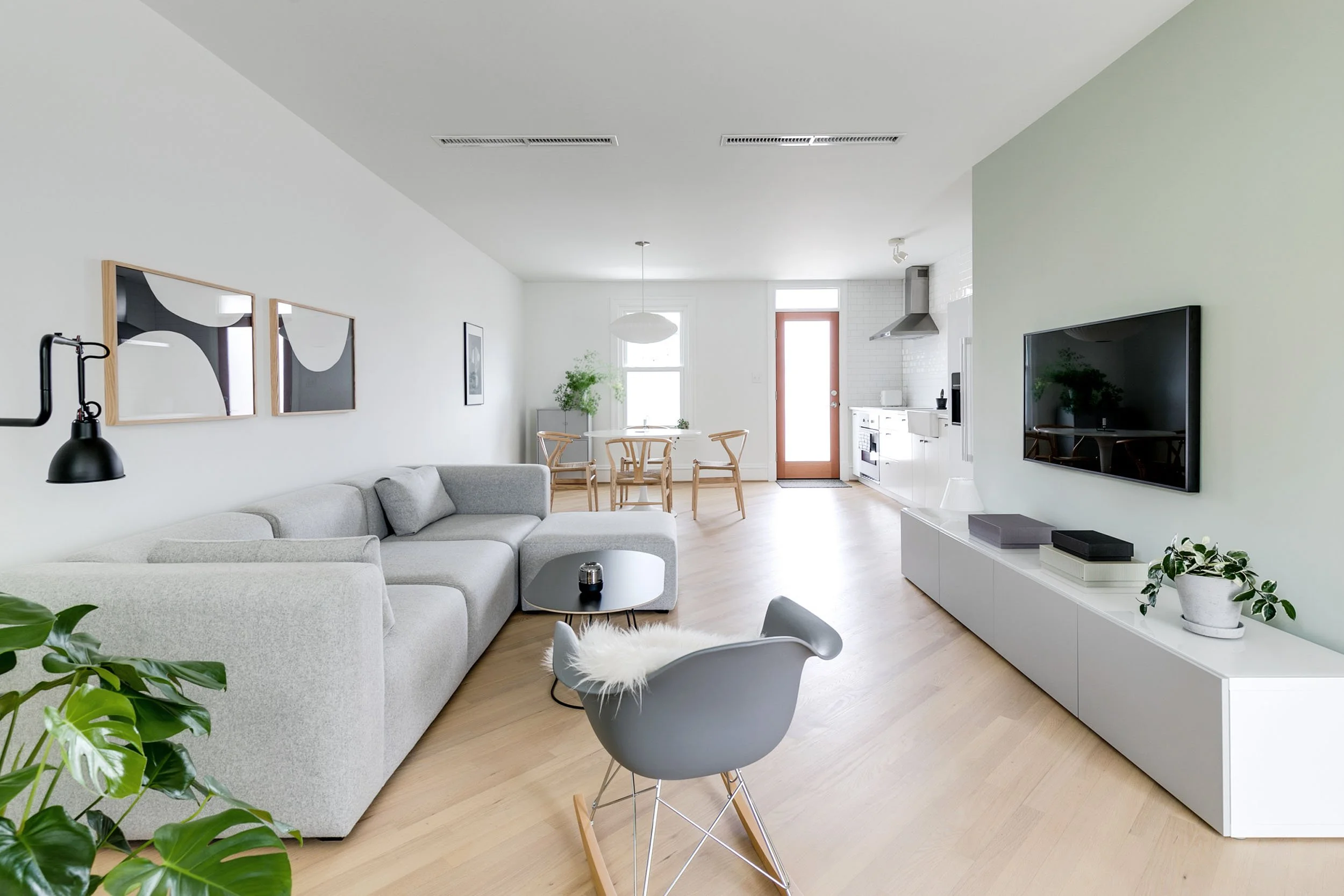
Minimalist living is not about owning nothing—it’s about owning what truly matters. By intentionally simplifying your surroundings, schedule, and commitments, you create space for clarity, calm, and fulfillment. In a world driven by excess, minimalism offers a practical path toward less stress and more meaningful living.
This article explores actionable minimalist living tips that support emotional well-being and long-term life satisfaction.
What Is Minimalist Living?
Minimalist living focuses on intentional choices rather than deprivation. It encourages removing excess—physical, mental, and emotional—to make room for what adds genuine value to your life.
At its core, minimalism is about:
-
Clarity over clutter
-
Purpose over accumulation
-
Quality over quantity
How Minimalism Reduces Stress
Clutter creates constant visual and mental noise. When your environment is simplified, your mind follows.
Mental Benefits of Minimalism
-
Reduced decision fatigue
-
Lower anxiety caused by overstimulation
-
Improved focus and emotional balance
A minimalist lifestyle helps you stop reacting to chaos and start responding with intention.
Practical Minimalist Living Tips
Declutter With Purpose
Decluttering isn’t about throwing everything away—it’s about keeping what serves a clear purpose or brings joy.
Start with
-
One room or category at a time
-
Items you haven’t used in the past year
-
Objects that no longer align with your current lifestyle
Simplify Your Daily Routine
Overpacked schedules create hidden stress. Minimalism encourages space between activities.
Try this
-
Limit daily to-do lists to 3–5 priorities
-
Create morning and evening routines
-
Leave buffer time between tasks
Be Intentional With Purchases
Minimalist living values mindful consumption over impulse buying.
Ask before purchasing
-
Do I truly need this?
-
Will it add long-term value?
-
Can something I already own serve this purpose?
Reduce Digital Clutter
Minimalism applies to digital spaces as much as physical ones.
Helpful steps
-
Unsubscribe from unnecessary emails
-
Organize files and photos regularly
-
Limit social media usage intentionally
Minimalism and Life Satisfaction
More Time for What Matters
When you own less and commit less, you gain time and energy for relationships, hobbies, and self-care.
Stronger Sense of Control
Minimalism helps you feel in control of your environment rather than overwhelmed by it.
Increased Gratitude
Owning fewer things often leads to deeper appreciation for what you already have, which directly supports emotional well-being.
Creating a Minimalist Living Environment
Your space should support calm and function.
Key elements
-
Clear surfaces
-
Neutral or calming color palettes
-
Functional furniture
-
Natural light and airflow
Minimalist spaces don’t have to feel empty—they should feel intentional.
Minimalism Is a Lifestyle, Not a Rulebook
There is no single “correct” version of minimalist living. What matters is alignment with your values and needs. Even small steps—like decluttering one drawer or simplifying one habit—can lead to noticeable improvements in stress levels and satisfaction.
Minimalism isn’t about having less—it’s about living more freely with what truly matters.
Frequently Asked Questions (FAQ)
Is minimalist living only about decluttering?
No. Minimalism also applies to time, habits, finances, and mental boundaries—not just physical possessions.
Can minimalist living work for families?
Yes. Families can adopt minimalism by simplifying routines, shared spaces, and commitments.
How long does it take to see benefits from minimalism?
Some benefits, like reduced stress, appear quickly, while deeper satisfaction builds over time.
Do I need to get rid of most of my belongings?
No. Minimalism focuses on intentional ownership, not extreme reduction.
Is minimalist living expensive to maintain?
Minimalism often reduces spending by encouraging mindful consumption.
Can minimalism improve mental health?
Yes. A simplified environment and routine can support mental clarity and emotional balance.
How do I start minimalist living without feeling overwhelmed?
Begin small—one space, one habit, or one decision at a time.
