

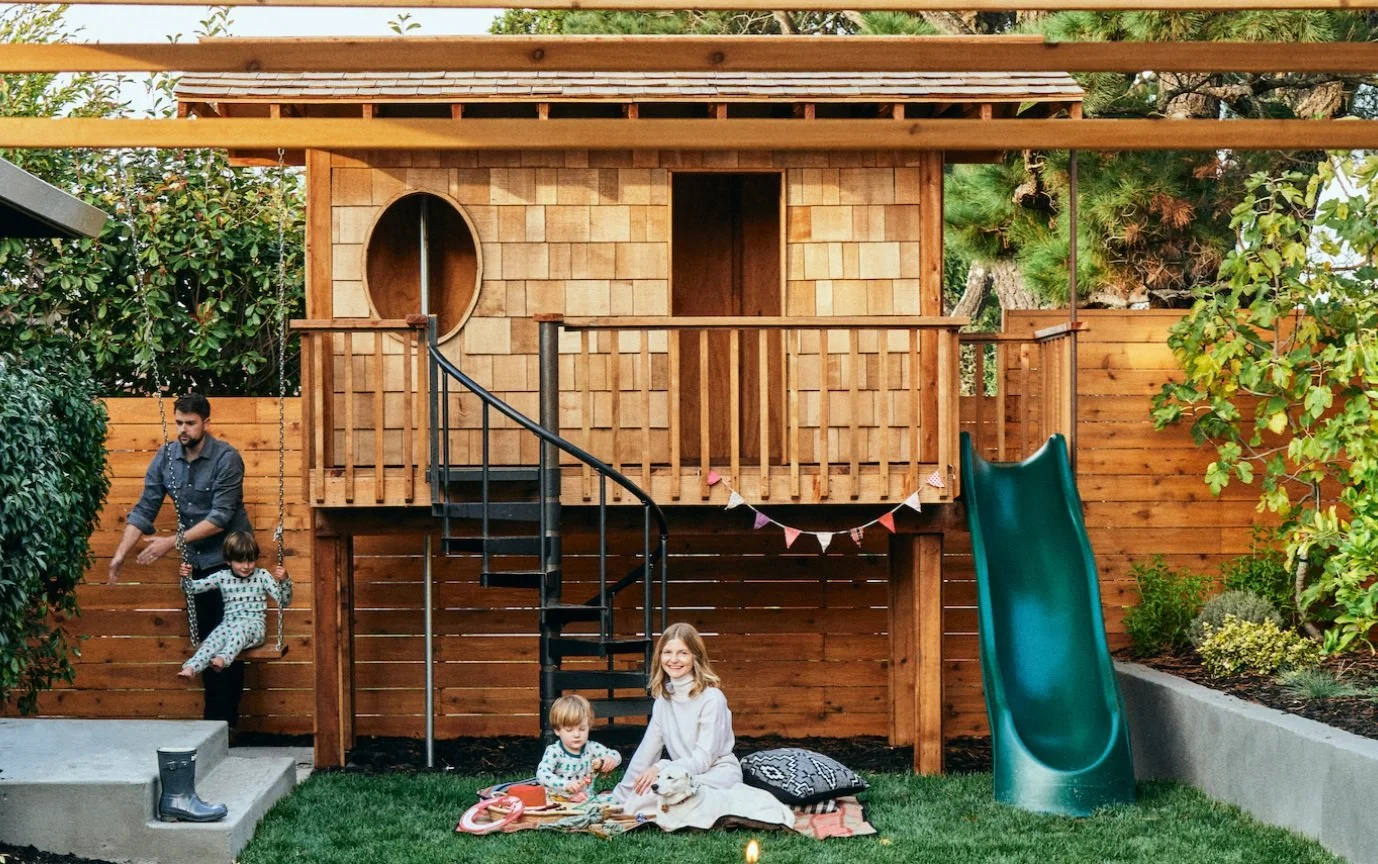
Parents do not usually set out to create a screen-heavy routine. It often happens gradually. A busy week, a hot afternoon, a work call, a tired evening, and suddenly screens become the easiest option because they are immediate, predictable, and quiet. That is understandable in real family life. The challenge is not perfection, it is building a home routine where movement is easier to choose more often.
This is why many families start looking at backyard upgrades in a more practical way. Instead of treating outdoor space as something to fix “one day,” they begin thinking about how it can support everyday play, movement, and energy release in short bursts throughout the week. In that process, some parents also compare options from Funky Monkey Bars when planning an outdoor setup that can support active play and stay useful as children grow.
Why Everyday Movement Matters More Than Grand Plans
A lot of parents feel pressure to create the perfect outdoor lifestyle for their children, long weekend outings, packed activity schedules, and constant novelty. In reality, children often benefit most from regular movement opportunities that are built into ordinary days.
A backyard does not need to look like a resort playground to be useful. It just needs to make active play easy to start. When children can step outside and climb, swing, hang, run, or invent games without a big setup process, movement becomes part of the household rhythm rather than a special event.
This matters because consistency shapes habits. A child who moves for short periods most days often ends up with a stronger routine than a child who has one big active outing and then several sedentary days in between. Small, repeatable opportunities usually work better for family life, especially during school terms and busy work weeks.
The Best Backyard Upgrades Reduce Friction for Parents Too
When people talk about backyard play, they often focus only on what children enjoy. That is important, but parents also need the setup to work practically. If outdoor play always requires moving furniture, carrying equipment, constant setup, or close hands-on facilitation, it becomes harder to maintain.
This is one reason some backyard upgrades get used every week while others are forgotten after the first burst of excitement. The upgrades that last are usually the ones that fit normal routines. Children can use them without a complicated process. Parents can supervise without turning it into a full project. The space still works for family life when playtime is over.
Practical design matters here. Clear zones, sensible placement, and equipment that supports repeated use often make a bigger difference than decorative landscaping alone. Families usually get the best results when the backyard is planned as a lived space, not just a visual feature.
Screen Time Is Often a Convenience Problem, Not a Motivation Problem
Many parents worry that children “prefer screens” too much, but in a lot of homes the issue is not motivation. It is convenience. Screens are ready instantly. Outdoor play sometimes feels like it requires more effort, more setup, or more negotiation.
That is why a well-planned backyard can help so much. It lowers the barrier to active play. When movement options are visible and easy to access, children are more likely to use them in spontaneous ways. A quick ten minutes outside after school can become a habit. So can short play breaks on weekends, before dinner, or between indoor activities.
This does not mean screens need to disappear. It means families can make movement the easier choice more often. Over time, that changes the balance of the day without turning every afternoon into a battle.
Designing for Different Ages Helps the Space Stay Useful Longer
One common mistake in backyard planning is designing only for the child’s current age. What works perfectly for a four-year-old may feel too limited a few years later. Parents then end up replacing or reworking the space sooner than expected.
A more practical approach is to think about how children use the backyard as they grow. Younger children may need simpler play and confidence-building movement. Older children often want more challenge, more independence, and more ways to use the space creatively. The backyard works better long-term when it can support both stages without feeling outdated too quickly.
This is where flexibility becomes important. Families often appreciate upgrades that allow the play environment to evolve rather than stay fixed in one version of childhood. A backyard that grows with the family tends to be used longer, and that usually makes the investment feel more worthwhile.
Active Play Supports More Than Physical Energy
When parents think about backyard movement, the first goal is often “burning energy.” That is a valid goal, especially after school or on wet-weather weekends when children have been indoors. But active play supports much more than physical tiredness.
Outdoor movement can help children reset emotionally, improve focus, and shift out of the overstimulated feeling that sometimes comes from long indoor periods. Climbing, balancing, hanging, and imaginative movement all require attention and coordination. Even unstructured backyard play can support confidence and problem-solving in ways that are easy to overlook.
This is one reason active spaces are so helpful for families. They do not only fill time. They give children a healthier outlet for movement, challenge, and independence, which often improves the overall mood of the house.
Parents sometimes notice this indirectly. Even short outdoor play sessions can make the evening routine smoother because children feel more settled afterward.
A Good Backyard Setup Balances Play and Family Use
Families often hesitate to upgrade the backyard because they worry it will become “all play equipment” and lose its usefulness for everyone else. That concern is reasonable. The best backyard spaces usually work because they support multiple uses, not just one.
A family-friendly outdoor space can include active play while still leaving room for sitting, supervision, meals, or general backyard use. In many homes, the goal is not to fill every corner. It is to create a layout where play feels inviting without taking over the entire yard.
This is also where long-term planning helps. If a backyard is arranged with movement paths, shade, and practical access in mind, it tends to feel more integrated into daily life. Parents are more likely to encourage outdoor play when the space feels manageable and comfortable for the household as a whole.
A backyard that is easy to use becomes a backyard that is actually used.
Why “Used Often” Is a Better Standard Than “Looks Impressive”
It is easy to get drawn into image-based ideas when planning any home upgrade. Backyard spaces are no different. Beautiful inspiration photos can be helpful, but families usually get more value from asking a simpler question: will this be used often?
An upgrade that looks impressive but rarely fits the household routine may not solve the problem the family is trying to fix. A simpler setup that gets used three or four times a week often delivers far better results than a more elaborate plan that does not suit the way the family lives.
This is especially true for reducing passive screen time. The goal is not to create a perfect outdoor magazine spread. The goal is to make active play easier, more appealing, and more repeatable in everyday life.
When parents use that standard, planning decisions often become clearer. They choose features that support movement, durability, and routine instead of chasing visual trends that may not matter after the first month.
Small Routine Changes Help Backyard Upgrades Work Better
Even a great backyard setup works best when it is supported by simple habits. Families do not usually need strict rules, but a few predictable routines can make outdoor play a normal part of the week.
For example, some households build in an outdoor window after school before screens come on. Others use backyard play as a transition between homework and dinner. Weekend mornings can also be a useful time for unstructured outdoor movement before the day fills up with errands or social plans.
The point is not to force play at all times. It is to create regular opportunities where the backyard becomes the easy next step. When children expect that rhythm, they often resist it less and use the space more creatively on their own.
This is where many parents notice the real value of a well-planned upgrade. It supports better habits without requiring constant effort.
The Best Backyard Upgrades Make Active Play Feel Normal
Backyard improvements do not need to be dramatic to be effective. What matters most is whether they make movement feel like a normal part of home life. When active play is easy to access, enjoyable to repeat, and flexible enough to grow with the family, it naturally becomes part of the routine.
That is usually the most practical way to reduce screen-heavy habits. Not by removing every screen, but by creating a home environment where movement is ready, appealing, and easy to choose. For busy families, that kind of everyday design can make a bigger difference than any short-term rule.
In the long run, the most valuable backyard upgrade is often the one that gets used again and again, because it quietly helps children move more, play more, and spend more time outside without the process feeling forced.
FAQ
What is the best first step if I want kids to use the backyard more?
Start by making outdoor play easier to begin. A simple, accessible setup and a predictable daily or weekly play window often works better than a complicated plan.
Do backyard upgrades really help reduce screen time?
They can help a lot when they make active play convenient and enjoyable. The goal is not zero screen time, it is improving the balance of the day.
How do I choose a backyard upgrade that lasts as kids grow?
Think about flexibility and long-term use, not only current age. Features that support different stages of play usually stay useful longer.
What if I do not have a huge backyard?
You do not need a large yard to improve outdoor play habits. A well-planned space that supports regular movement can be very effective even in smaller backyards.
Should I focus more on looks or function when upgrading a family backyard?
Function usually creates better long-term value. A backyard that is used often will do more for family routines than one that looks impressive but does not fit everyday life.
