

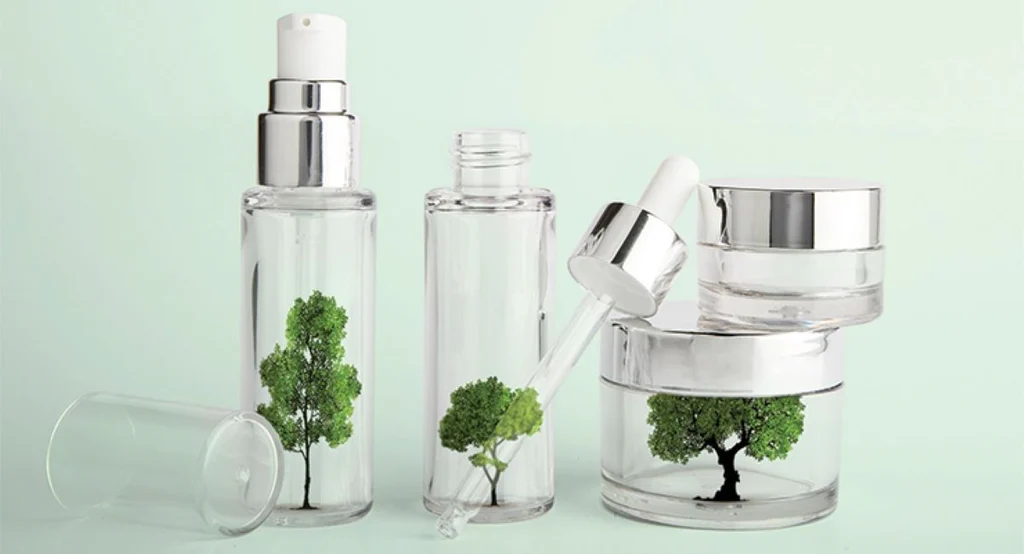
Why Glass Is the Future
When you think of packaging, glass might not be the first material that comes to mind. Yet, it is one of the most sustainable and versatile materials available. Glass is fully recyclable and can be reused endlessly without any loss of quality. This makes it a top choice for anyone aiming to make environmentally conscious decisions.
Eco-Friendly Advantages
Glass boasts impressive eco-friendly properties. It is 100% recyclable and inert, meaning it doesn’t release harmful chemicals into its contents. This makes glass packaging ideal for food, beverages, and cosmetics such as perfume glass. Additionally, glass plays a key role in reducing plastic waste, a major issue facing our planet today.
Innovations in Glass Production
The technology behind glass manufacturing is constantly evolving. New techniques and innovations are making glass production even more sustainable and efficient.
New Production Techniques
Modern glass production techniques utilize advanced furnaces and melting processes that consume less energy, significantly reducing CO₂ emissions. Furthermore, there are major advancements in the use of recycled glass, decreasing the need for virgin raw materials.
Reinforced and Lightweight Glass
One exciting innovation is the development of reinforced and lighter glass. Through special treatments, glass can now be made stronger without adding extra weight. This is particularly beneficial for transportation, as lighter glass reduces fuel consumption during shipping.
Design and Functionality
Beyond sustainability, design plays a major role in the growing popularity of glass packaging. Glass offers countless opportunities for creative designs, helping products stand out in a competitive market.
Unique Designs
Glass provides endless possibilities for shaping and styling. From elegant bottles to artistic jars, the creative potential is limitless. This makes glass packaging highly attractive to brands that want to make a strong visual impact.
Customizable Options
With modern techniques, glass packaging can easily be customized with logos, colors, and even textures. This offers companies the chance to strengthen their brand identity and leave a lasting impression on consumers.
Health and Safety
Another key advantage of glass packaging is its safety. Glass is inert, meaning it does not chemically react with its contents. This makes it a safe choice for food and beverage packaging.
Food Safety
Unlike certain plastics, glass does not leach harmful substances into food or drinks. This ensures that contents remain fresh and free from unwanted chemicals. For health-conscious consumers, this is a major advantage.
Extended Shelf Life
Glass also helps extend the freshness of products by protecting them from air and moisture. This significantly increases shelf life, benefiting both consumers and businesses by reducing waste.
The Future of Glass Packaging
The future looks bright for glass packaging, driven by continuous innovations and a growing demand for sustainable solutions.
Sustainability Trends
There is a clear trend toward greater sustainability across all sectors, including packaging. Businesses are actively seeking ways to reduce their ecological footprint, and glass packaging offers an excellent solution.
Technological Advancements
With ongoing technological progress, glass packaging will only continue to improve in terms of sustainability, functionality, and design possibilities. Innovations like glass packaging solutions demonstrate how versatile this material can be.
Whether you’re a business owner looking for sustainable packaging options or simply curious about the latest trends in packaging technology, glass offers numerous benefits that are hard to ignore. With its eco-friendly properties, innovative production methods, and versatile design opportunities, glass packaging is ready to dominate the future of packaging.
