

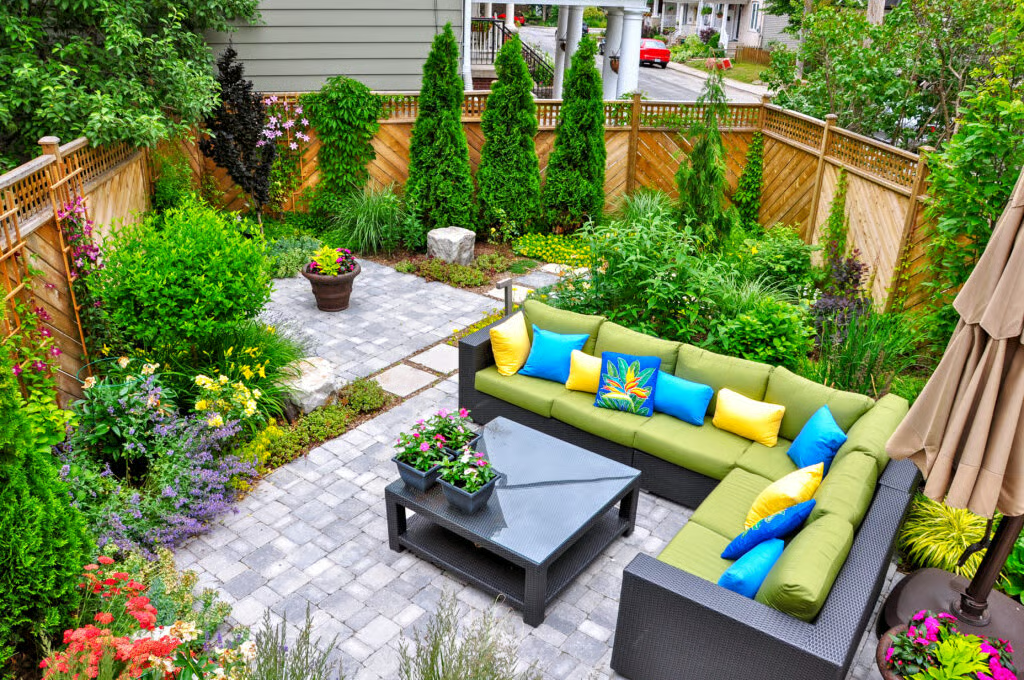
Limited outdoor space is one of the most common challenges urban and suburban gardeners face today. Compact backyards, narrow side yards, and small patios often leave little room for traditional in-ground planting beds. However, a small footprint does not mean you have to sacrifice your dream of growing a lush, productive garden.
Vertical gardening fundamentally changes how you use your outdoor environment by shifting your growing focus from horizontal ground space to unused vertical surfaces. By training plants to grow upward along walls, fences, trellises, and stacked containers, you can double or even triple your total planting area. Beyond maximizing space, vertical gardens improve air circulation around foliage, reduce back strain during maintenance, and turn bare structural walls into vibrant living features.
Why Vertical Gardening Works for Compact Spaces
Understanding the biological and practical advantages of growing upward helps you design a more efficient system for your backyard.
-
Space Efficiency: Utilizing vertical planes frees up floor space for seating, walkways, or traditional lawn area while expanding your total crop yield per square foot.
-
Improved Air Circulation: Raising plants off the damp ground allows wind to move freely through leaves, significantly reducing fungal diseases like powdery mildew.
-
Pest and Weed Management: Elevated crops are harder for ground-dwelling pests, snails, and weeds to reach, minimizing the need for physical barriers or chemical interventions.
-
Ergonomic Maintenance: Planting, pruning, and harvesting at eye level or waist height reduces bending, kneeling, and strain on your lower back and knees.
-
Microclimate Control: Vertical structures like masonry walls absorb heat during the day and radiate warmth at night, extending the growing season for temperature-sensitive plants.
Selecting the Right Vertical Structure
The foundation of any successful vertical garden is a sturdy support structure tailored to your space, budget, and chosen plant varieties.
Wall-Mounted Pockets and Planters
Fabric growing pockets and modular wall containers attach directly to sturdy exterior walls, wooden fences, or masonry surfaces. These systems are ideal for shallow-rooted plants like leafy greens, herbs, strawberries, and trailing flowers. Fabric pockets provide excellent drainage and aerate roots, preventing root binding. Ensure the underlying wall structure is protected with a waterproof moisture barrier, such as plastic sheeting, before mounting planters directly against wood or drywall siding.
Trellises, Arbors, and Obelisks
Trellises made from wood, wrought iron, or bamboo are classic structures that support climbing vining plants. Positioned against a sunny wall or integrated into raised beds, trellises provide structural stability for heavy fruiting crops like tomatoes, cucumbers, and pole beans. A standalone arbor or obelisk creates architectural height in a small yard while allowing vining plants to climb outward and upward simultaneously.
Stacked Tower Systems and Hanging Tier Planters
Vertical growing towers utilize modular, interlocking tiers stacked vertically around a central drainage core. These systems rely on small footprints to support dozens of individual plant pockets. Self-watering vertical towers are particularly well-suited for tight backyards or paved patios where exposed soil is unavailable. Hanging tiers connected by ropes or chains convert overhead pergolas or porch eaves into productive growing zones.
Best Plants for Vertical Gardening
Not all plants adapt equally well to vertical structures. Selecting varieties with manageable root systems, compact growth habits, or natural vining characteristics yields the best results.
Compact Edibles and Herbs
A compact vertical garden can produce a surprisingly abundant harvest of fresh culinary ingredients throughout the season:
-
Leafy Greens: Butterhead lettuce, spinach, Swiss chard, kale, and arugula thrive in shallow vertical pockets with consistent moisture.
-
Culinary Herbs: Thyme, oregano, parsley, cilantro, chives, and mint perform exceptionally well in pocket systems. Keep mint in isolated containers to prevent its aggressive roots from invading neighboring plants.
-
Strawberries: Day-neutral strawberry varieties flourish in stacked tower planters or hanging pockets, keeping ripening fruit clean and elevated above ground pests.
Climbing Vegetables and Fruits
Vining crops naturally utilize vertical space to produce heavy harvests without smothering neighboring plants:
-
Pole Beans and Peas: Snow peas, sugar snap peas, and pole beans cling easily to light netting or bamboo trellises using natural tendrils.
-
Vining Cucumbers and Small Squash: Choose indeterminate or vining cucumber varieties. Small winter squash varieties, such as delicata or acorn squash, can grow vertically if heavy fruits are supported with soft cloth hammocks tied to the trellis frame.
-
Indeterminate Tomatoes: Vining tomato varieties continuously grow upward and require strong stakes, wire cages, or sturdy wooden trellises to anchor their heavy main stems.
Ornamental Foliage and Flowering Vines
If your primary goal is aesthetic beauty or privacy, ornamental plants create dense visual screens along bare property lines:
-
Flowering Vines: Clematis, passionflower, black-eyed Susan vine, and morning glories cover vertical trellises quickly with colorful summer blooms.
-
Trailing Perennials and Ferns: Ivy, pothos, Boston ferns, and creeping thyme soften hard structural edges in shaded or partially shaded vertical installations.
Essential Care and Maintenance Guidelines
Vertical gardens dry out faster and require more targeted attention than traditional in-ground soil beds because of increased air exposure and restricted soil volumes.
Watering Considerations
Because containerized soil in vertical systems loses moisture rapidly under direct sunlight and high wind, consistent irrigation is vital. Installing a simple automatic drip irrigation system with micro-tubing running to each planter tier ensures uniform moisture distribution. If hand-watering, always water from the top tiers downward, as runoff from upper pockets often drains into lower containers.
Soil and Nutrition Management
Standard garden soil is too heavy and compacts easily in vertical containers, choking off root oxygen. Use a premium, lightweight potting mix enriched with compost, perlite, and coconut coir to retain moisture while encouraging adequate drainage. Because frequent watering leaches nutrients out of containers quickly, feed your vertical garden with an organic, water-soluble fertilizer every two to three weeks during active growing months.
Vertical System Comparison Matrix
| System Style | Ideal Plant Types | Best Location | Structural Need | Maintenance Level |
| Fabric Wall Pockets | Lettuce, herbs, strawberries | Sunny fences or exterior walls | Sturdy mounting anchors | Moderate to High watering |
| Wooden Lattice Trellis | Peas, pole beans, clematis | Against house walls or raised beds | Wall brackets or deep posts | Low to Moderate |
| Stacked Tier Towers | Greens, herbs, compact flowers | Patios, balconies, paved corners | Flat, level ground surface | Low (Drip recommended) |
| Wire Mesh Grid | Indeterminate tomatoes, cucumbers | Boundary fences or property lines | Metal fence posts or wall frames | Moderate tying/pruning |
Frequently Asked Questions
Can vertical gardens survive frost and severe winter weather?
Vertical gardens exposed to cold winter winds freeze faster than in-ground soil because their root systems lack natural ground insulation. In regions with freezing winters, perennials grown in wall pockets or lightweight towers should be moved indoors, transferred to cold frames, or planted directly into ground beds before the first hard freeze.
How do I prevent water damage to my house siding or fence from a wall garden?
Never mount wet growing pockets or wooden planter boxes directly against unfinished wood, drywall, or home siding without a protective gap. Install a durable moisture barrier, such as heavy-duty marine plywood or plastic sheeting, between the wall and the planter. Leaving a one-inch air gap using vertical wooden spacers helps prevent mold growth and moisture buildup behind the structure.
How much sunlight do vertical gardens need?
Sunlight requirements depend entirely on the plant species you select rather than the vertical system itself. Fruiting vegetables like tomatoes, peppers, and cucumbers require six to eight hours of direct sunlight daily. Leafy greens, herbs, and shade-tolerant ornamental ferns thrive in partial shade, needing only three to four hours of indirect light.
How do I support heavy fruits like squash or melons on a vertical trellis?
Heavy crops like cantaloupes, small pumpkins, and winter squash can pull themselves off vining stems if left unsupported. As the fruit grows to the size of a baseball, cradle each item in a soft fabric sling made from old cotton shirts, pantyhose, or soft mesh. Tie the ends of the sling securely to the rigid trellis frame to distribute the weight evenly.
Do vertical gardens need special soil, or can I use soil from my yard?
Native backyard topsoil should never be used in vertical planters or wall pockets. Backyard dirt contains clay, weed seeds, and soil-borne pathogens, and it compacts quickly into a hard, airless block inside small containers. Always use a high-quality, lightweight potting mix designed for container gardening to ensure optimal root aeration and water drainage.
What is the best way to control pests in an elevated vertical garden?
Elevated plantings naturally reduce ground-dwelling pest infestations, but airborne insects like aphids, whiteflies, and spider mites can still reach foliage. Inspect the undersides of leaves weekly during routine watering. Treat early infestations with gentle insecticidal soaps or neem oil sprays, and introduce beneficial insects like ladybugs to maintain a healthy ecological balance.
