

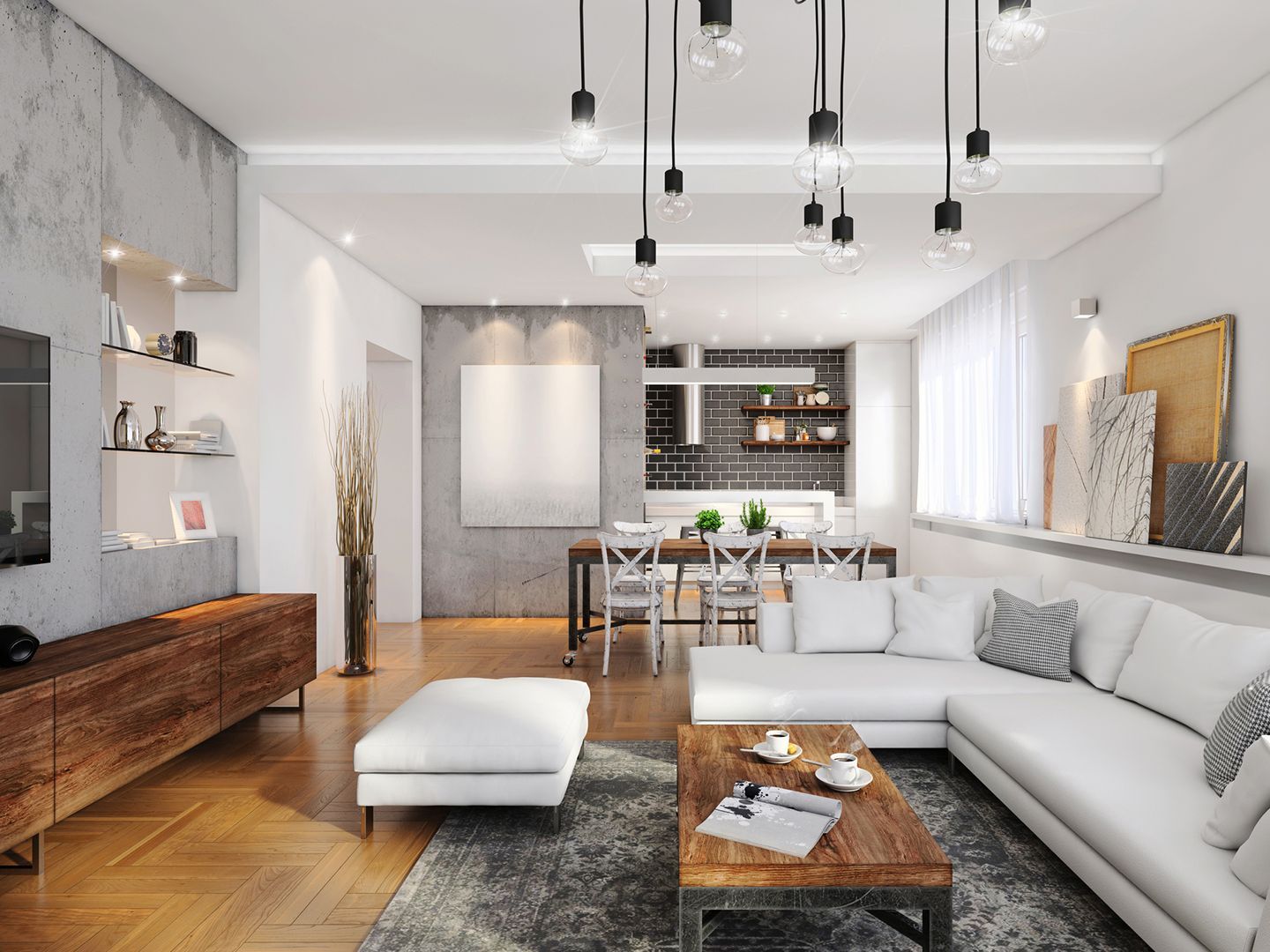
Lighting is one of the most transformative elements in interior design, yet it is often an afterthought when planning a room layout. Beyond simply making a space visible, the right illumination drastically alters how a room feels, functions, and looks. Proper lighting highlights architectural features, enhances paint tones, improves productivity, and sets the overall mood of your home.
Conversely, poor lighting choices can ruin an otherwise beautifully decorated space. A single overhead fixture casting harsh shadows can make a living room feel uninviting, while inadequate lighting in a kitchen or home office creates eye strain and safety hazards. Understanding how to choose, combine, and position different light sources allows you to create balanced, flexible, and visually stunning spaces tailored to your lifestyle.
The Three Fundamental Layers of Lighting
Achieving professional interior lighting requires building a multi-layered scheme rather than relying on a single light fixture. Lighting designers divide illumination into three main functional categories, each serving a distinct purpose within a room.
Ambient Lighting
Ambient lighting serves as the base layer of illumination for any room. Its primary purpose is to provide uniform, general light that allows people to navigate the space safely and comfortably. Ambient light bounces off walls and ceilings to reduce stark contrasts and eliminate dark corners.
Common sources of ambient light include flush-mount ceiling fixtures, recessed recessed cans, chandeliers, and large pendant lights. Natural sunlight streaming through windows also contributes significantly to a room’s ambient foundation during daylight hours.
Task Lighting
Task lighting provides focused, concentrated light targeted at specific activity areas. Whether you are reading, chopping vegetables, working at a computer, or applying makeup, task lighting prevents eye strain by illuminating the exact surface where work happens.
Effective task lights include under-cabinet LED strips in kitchens, adjustable desk lamps in home offices, swing-arm sconces beside reading chairs, and vanity lights flanking bathroom mirrors. Task fixtures should be glare-free and positioned to prevent your head or hands from casting shadows on your work surface.
Accent Lighting
Accent lighting adds drama, depth, and visual interest to a room. It draws the eye to specific focal points, such as artwork, textured feature walls, architectural details, or indoor plants. As a general rule of thumb, accent lighting should be roughly three times brighter than the surrounding ambient light to create meaningful contrast.
Popular accent lighting choices include directional track lights, adjustable recessed spotlights, picture lights mounted over artwork, and LED tape installed inside display cabinets or under floating shelves.
Key Technical Concepts Simplified
Selecting the right light bulbs requires understanding two critical technical specifications: color temperature and lumen output. Understanding these metrics ensures that your fixtures perform as intended.
-
Kelvin Ratings (Color Temperature): Color temperature measures the warmth or coolness of light on the Kelvin scale. Lower ratings between 2200K and 3000K produce a warm, golden glow ideal for bedrooms and living rooms. Mid-range ratings around 3500K to 4000K offer a crisp, neutral white suited for kitchens and bathrooms. Higher ratings from 5000K to 6500K mimic cool daylight, best reserved for garages, utility rooms, or commercial spaces.
-
Lumens (Brightness Output): Lumens measure the total amount of light emitted by a bulb. Watts only measure energy consumption, not brightness. When replacing old bulbs with energy-efficient LEDs, focus on lumens rather than wattage to achieve desired brightness levels.
-
Color Rendering Index (CRI): CRI measures how accurately a light source reveals the true colors of objects compared to natural sunlight. Look for bulbs with a CRI rating of 90 or higher to ensure paint colors, wood tones, and fabrics look rich and vibrant.
Room-by-Room Lighting Strategies
Every room in your home serves a unique purpose and requires a tailored approach to fixture selection, placement, and control.
Living Room
The living room is a multi-purpose hub used for entertaining, watching television, reading, and relaxing. Flexibility is key when designing living room illumination.
Avoid relying solely on central ceiling downlights, which can create flat, uninviting shadows. Instead, combine dimmable recessed ambient lights with floor lamps placed near seating corners. Add sconces or picture lights to highlight feature walls, and place table lamps on side tables to anchor conversation areas at eye level.
Kitchen
Kitchens are high-precision workspaces that demand bright, shadow-free illumination combined with warm decorative touches.
Start with under-cabinet LED tape lighting directly above countertops to ensure clear visibility while prepping food. Install a series of pendant lights over a kitchen island to serve as both functional task lighting and an aesthetic focal point. Complete the scheme with evenly spaced recessed ceiling cans to provide ambient baseline light across the entire room.
Bedroom
Bedroom lighting should prioritize relaxation, rest, and soft transitions into the morning and evening hours.
Opt for warm color temperatures around 2700K to signal to your nervous system that it is time to unwind. Position table lamps or wall-mounted reading sconces on both sides of the bed, featuring dedicated, accessible switches so you do not have to get out of bed to turn off the lights. A dimmable central chandelier or flush-mount fixture adds ambient warmth without overwhelming the space.
Bathroom
Bathroom lighting must accommodate precise personal grooming while remaining adaptable for relaxing showers or baths.
Avoid placing downlights directly above a bathroom mirror, as overhead light casts unflattering, deep shadows under your eyes and chin. Instead, mount vertical sconces at eye level on both sides of the mirror to project even, shadow-free light across your face. Ensure all fixtures installed near showers or tubs are moisture-rated for wet environments.
Choosing the Right Lighting Layout
| Space Type | Recommended Ambient Source | Essential Task Source | Suggested Color Temp (K) |
| Living Room | Dimmable recessed lights, floor lamps | Table lamps, swing-arm sconces | 2700K – 3000K |
| Kitchen | Recessed ceiling cans, flush mounts | Under-cabinet LED strips, island pendants | 3000K – 4000K |
| Bedroom | Soft ceiling fixture, perimeter cove lighting | Bedside reading lamps | 2200K – 2700K |
| Home Office | Indirect flush mount, natural window light | Adjustable desk task lamp | 3500K – 4000K |
| Bathroom | Ceiling moisture-rated downlights | Vertical eye-level mirror sconces | 3000K – 3500K |
Frequently Asked Questions
How do I calculate how many total lumens I need for a room?
To estimate required lumens, calculate the square footage of your room by multiplying its length by its width. Then, multiply that total square footage by foot-candle recommendations based on room function. Living rooms and bedrooms generally require 10 to 20 lumens per square foot, while kitchens, bathrooms, and home offices require 70 to 80 lumens per square foot for task performance.
What is the ideal hanging height for pendant lights over a kitchen island?
Pendant lights hanging over a kitchen island should generally sit 30 to 36 inches above the countertop surface, measured from the bottom of the light fixture. When hanging multiple pendants, space them approximately 24 to 30 inches apart to maintain balanced light distribution without cluttering the visual field.
Why are dimmer switches so important in residential lighting design?
Dimmer switches offer instant control over lighting intensity, allowing a single room to transition effortlessly from a bright workspace to an intimate relaxation area. Dimming lights also reduces household electricity consumption and extends the lifespan of compatible LED bulbs by reducing thermal stress on internal components.
Should all light fixtures in an open-concept space match completely?
Light fixtures in open-concept spaces do not need to match identical product lines, but they should share a cohesive design language. To maintain visual harmony across open kitchen, dining, and living areas, choose fixtures that share similar metal finishes, geometric silhouettes, or design eras while varying fixture shapes and sizes.
What is the difference between wet-rated and damp-rated light fixtures?
Damp-rated light fixtures are built for humid environments where moisture collects but direct water contact does not occur, such as covered patios, utility rooms, or above bathroom sinks. Wet-rated fixtures feature watertight seals designed to withstand direct contact with rain, water splashes, or steam, making them necessary inside shower stalls or exposed outdoor walls.
How can I fix dark corners in a room without installing new hardwired wiring?
Fixing dark corners without running new electrical wiring can be easily accomplished using plug-in fixtures. Position a tall arc floor lamp behind furniture, place a small uplight canister on the floor behind a large houseplant to project soft shadows, or install battery-operated, rechargeable wall sconces that stick directly to the wall surface.
